




How To Clean and Store Your Outdoor Furniture
Whether you’re storing your outdoor furniture while you’re away on vacation, packing it away for winter, or putting it in long term storage, our tips will help ensure it’s clean, protected, and ready to enjoy again when the time comes!
- To clean fabric: Give each cushion and pad a good shake, and remove all debris from the cracks and crevices. If stains or residue are present, prepare a mixture of ¼ cup of Dawn dish detergent in one gallon of lukewarm water and wipe down the surfaces, giving extra attention to stains and buildup. Use a soft cloth or a soft-bristled brush to gently remove residue. Make sure all mold and mildew is removed, or else it can continue growing in storage.
- To clean plastic: Plastic furniture is easy to maintain, and you can usually get it good and clean by just spraying it with your garden hose and toweling it off. For persistent mold, mildew, or algae, you may be able to spray the stain with bleach before hosing it off, provided the manufacturer’s label permits this. You’ll want to test a small inconspicuous area to make sure there are no adverse effects of using the bleach. As easy as plastic is to clean, however, it’s still important to store it indoors, as it can become brittle in cold weather.
- To clean metal: Wrought iron furniture is sturdy, but can still acquire rust spots. Gently scrub away any rust that has accumulated, using a soft, wire brush. More extreme rust areas may need to be sanded, and you’ll want to get in touch with the best furniture refinishing service in your area to coat the affected areas or perhaps even paint or finish the entire piece. Aluminum outdoor furniture is often powder coated, and can be washed using the dish detergent mixture, and then dried thoroughly with a towel.
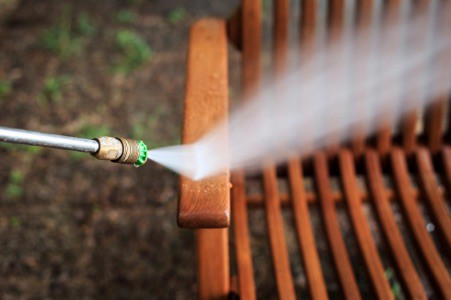
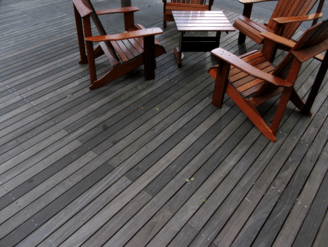
- To clean wood: Your wood patio furniture needs to be brought in when not in use, or covered, at the very least. Painted coatings will fade, and natural wood can warp and splinter when left in the elements, particularly in the extreme weather we often have in Jacksonville in the winter. Cleaning wood can be tricky. You don’t want to use bleach on wood, and you don’t want to scrub the surface too hard, or else the wood may begin to “fur.” In many cases, the gentle dish detergent cleaning solution may be used, along with a clean cloth to gently scrub residue, as long as the solution is thoroughly rinsed away and the surface area is completely dried. It’s often best to find a great furniture refinisher and make an appointment for your wood furniture to be safely cleaned by professionals when needed, and before putting the pieces into storage.
- To clean glass: More and more patio tables come with glass tops, and you’ll want to give the glass a good cleaning before covering it for storage. Gently scrape away wax buildup and other residue, and then clean the surface with glass cleaner and a soft cloth. If there is extreme residue and soils, wash off the area with your dish detergent mixture, and then follow with the glass cleaner.
Once your furniture is properly cleaned, you’ll need to find the right spot to store it. Fold and tie umbrellas, cover any items that can be covered, and store all pieces in a covered area that is as dry as possible. An outdoor shed is acceptable, but inside the garage is even better. If you have a sunroom or other such area you won’t be using for the colder months, that would be an ideal temporary storage place. If your outdoor furniture includes tile mosaic patterning inlays, you’ll definitely want to store it inside, as a cold snap can crack the tiles.
When it comes to fine furniture, antique furniture, and heirloom pieces, Jax Furniture Refinishing & Upholstering is the best service company for your furniture care or restoration project. We know furniture, and furniture is our passion. Our highly trained craftsmen can reupholster your tired sofa in a brand new fabric and restore your dusty antique to its rightful splendor, and yes – we can even simply clean and prepare your furniture for storage. Or, if your patio pieces have been in storage for months or years, we can make the necessary repairs and restore each item so that you and your family can begin enjoying them again when the beautiful weather returns. Ponte Vedra Beach, Atlantic Beach, Riverside, Ortega, and Jacksonville homeowners know we are the best furniture refinishing service and the company to trust with your favorite pieces.
How To Reupholster Your Padded Dining Room Chairs
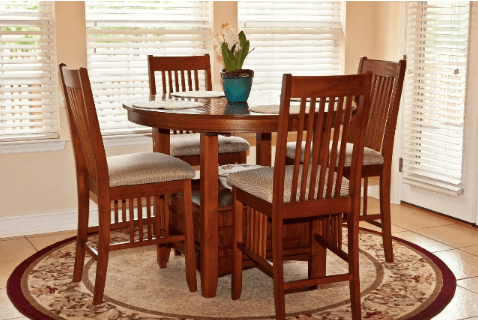
Are your padded dining room chairs looking a little worse for the wear these days? Dated and faded fabrics can give your entire dining room a rundown appearance, and torn padding or flattened cushions are uncomfortable for you and your family and dinner guests to sit on. Give your dining room chairs a new life with our pro tips!
Before you begin your project, you need to assemble your supplies. You’ll need:
- Fabric scissors
- Tape measure
- Screwdriver
- Staple puller
- Upholstery fabric (approximately ½ yard of both fabric and batting per seat cushion, depending on their size)
- Upholstery staple gun and staples
- Spray adhesive
- Jigsaw, if needed
- Plywood (½ inch thick), if needed
- High density foam (at least 1 inch thick)
- Turn the chair upside down and unscrew the seat pad from the chair frame.
- Place the seat pad face down and remove the staples. There may be a layer of cardboard or brown paper (sometimes called a “dust cover”) stapled to the pad, used to cover the raw edges of the fabric. If this material is in good shape, you can reuse it at the end of the project; if not, trace the shape onto new cardboard (or similar material), cut a new piece, and then discard the old piece.
- Remove the old fabric and the padding from the seat pad. Use the old fabric as a pattern to cut the new piece of fabric to the appropriate size for your chair.
- If the plywood insert is in good shape, you can reuse it. If not, create a new insert by either tracing the old base, or by measuring the seat frame and marking the plywood accordingly (subtracting about ⅛ inch all around).
- Trace the shape of the plywood insert onto the high density foam and cut the seat cushion from the foam.
- Use a spray adhesive to secure the foam to the plywood.
- Cover the foam with your batting. Staple one side of the batting into the center of the seat, and then work your way around each side of the seat, pulling the batting taut and stapling.
- Measure the fabric to the seat base’s dimension’s, plus ¼ inch all around, and cut. Note that if you are using a pattern, you’ll want to make sure the pattern is centered appropriately on the face of the seat.
- Lay the fabric face down on a sturdy surface, and place the pad (including plywood, foam, and batting) onto the fabric so that the underside of the seat pad is facing up.
- Attach the fabric in the same way you attached the batting – by stapling on end of the fabric into the seat base, and then working your way around each side, pulling the fabric tight.
- Staple the dust cover (whether you are reusing the old one or have created a new one in Step 2) to the underside of the finished seat pad in order to hide and protect the raw edges of the fabric.
- Screw the seat pad back onto the chair frame.
With the right planning, you can knock out your dining room furniture DIY project on a Saturday and sit down to a nice dinner on your new chairs on Sunday! Home improvement projects such as this are fun for many homeowners. However, problems can arise during the course of a reupholstery project, and you might decide that furniture upholstery is a job for the professionals.
If you live in Northeast Florida, you’re in luck – Jax Furniture Refinishing & Upholstering is the best furniture refinishing shop Jacksonville FL homeowners trust with their furniture. We pride ourselves in the quality of our work, our eye for detail, and our passion for customer service. San Marco, Riverside, Ortega, Fleming Island, and Ponte Vedra homeowners trust their upholstery projects to us and love the results. Let us redo your dining room furniture in the fabric you love so you can start enjoying it!
How To Refinish Your Dining Room Table
The dining room table gets a lot of use. It’s the place to have family meals and dinner parties, but it’s also often the place to do homework, play board games, and more. Scratches, scuffs, and water rings eventually appear throughout all of this, and before long, the dining room table will need to be refinished. If you’re doing the refinishing yourself, we have the tips to help you!
What you’ll need:
- Sandpaper (100-, 150-, and 220-grit)
- Tack cloth
- Microfiber cloth (or other clean, soft cloth)
- Protective gloves
- Stripper of choice
- Plastic putty knife
- Stain of choice
- Brushes (for applying stain)
- Finish of choice
A few tips before you start:
- Always be sure to thoroughly read all labels, instructions, and warnings on all materials you use, including the stripper, the stain, and the finish. Abide by all safety instructions, wait times, etc. in order to stay safe and end with a finished product you love!
- Remove any hardware that you can and cover any other exposed metal with painter’s tape. You don’t want these areas to be damaged during your refinishing process.
Step 1: The table may have a finish coating that you’ll need to remove. To do so, use a paintbrush to apply an even coat of stripper to the wood surface. Once you apply the stripper, allow it to sit on the surface, according to the timeline on the manufacturer’s label (usually approximately 15-20 minutes). Allow it to sit for the full amount of time, otherwise it may be harder to remove. Use your putty knife to gently scrape away the softened finish. Be sure to use a plastic putty knife (or other type of scraper) rather than a metal one, which could damage the underlying wood.
Step 2: Sand the table. Sand in the direction of the grain, beginning with the coarsest grit, and ending with the finest grit.
Step 3: Wipe down the table with your tack cloth to remove all sanding dust.
Step 4: Apply your stain of choice. Use either a high quality paintbrush or a soft, clean cloth to apply it (check the label or the manufacturer’s website and use what is recommended). Be sure to wear plastic or nylon gloves to protect your hands from the stain. Apply the stain liberally and allow several minutes for it to soak into the newly sanded wood. Use a clean cloth to wipe away the excess stain. You may need or want to apply several coats of the stain, depending on the finished look you want. In between each coat, lightly sand the surface with the finest-grit sandpaper, and then wipe it down with tack cloth. Note that the longer stain sits on the wood before being wiped away, the darker and richer the final color will be.
Step 5: When the final coat of stain has thoroughly dried, apply your finish of choice, whether that be oil, wax, or polyurethane. Apply it according to the manufacturer’s instructions. Note that if you’re using polyurethane, you’ll want to apply two or more coats. If you only use your dining room furniture occasionally, you can probably apply two-to-three coats. If your dining room table receives a lot of use, however, you may want to apply up to four coats.
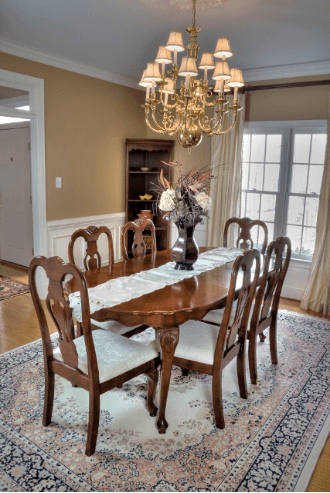
Step 6: Allow the final coat of polyurethane to dry for a minimum of 24 hours. Once it has dried completely, you’ll be able to return any tablecloths, centerpieces, candlesticks, etc.
Do-it-yourself furniture refinishing can be a very satisfying (and occasionally fun) project. Most homeowners, however, prefer to find the best furniture refinishers in the area and trust the work to the professionals. Jax Furniture Refinishing & Upholstering is the best furniture refinishing company Jacksonville FL residents call on for their furniture care. Our teams of craftsmen specialize in antique restoration, upholstery services, and wood refinishing projects of all kinds. Your dining room table and chairs, overstuffed sofa, antique armoire, and upholstered headboard are no problem for our craftsmen to refinish in the fabric or finish you’ve been dreaming of. Fine furniture is our passion, and we’d love the chance to make your tired or damaged furniture look beautiful again. Join our countless clients throughout Mandarin, Riverside, Ortega, and downtown Jacksonville and call today!
Tools You Need For Your Furniture Upholstery Project
Are you thinking of embarking on a DIY furniture upholstering project? Even if you have the perfect fabric already selected, along with the right foam or batting, you’ll need several upholstering tools to get the job done.
Basic Furniture Upholstery Tools
Here’s a list of the basic upholstery tools that are used in nearly any furniture upholstery project:
- Fabric scissors – for cutting fabric (including layers of fabric), thin foam, batting, threads, etc. (opt for fabric scissors rather than pinking shears, which will leave a zigzag pattern and will not be able to snip small threads, etc.)
- Measuring tape – for measuring lengths of fabric, webbing, etc.
- Needle-nose pliers – for pulling out broken staples
- Screwdriver – for disassembling furniture or removing certain parts when needed
- Sewing machine – At a minimum, your sewing machine should have a “walking foot,” and be able to make a straight stitch with forward and reverse.
- Staple gun – for stapling fabric and webbing into place
- Staple remover – for pulling out staples without damaging the area
- Steamer – You’ll want to flatten seams as you work, which is quite a bit easier with a steamer. You’ll also want to steam skirts, etc., and make your finished product look neat and tidy.
- T-pins – for holding fabric in place while you tack or sew it
- Upholstery needles – for sewing on buttons and creating rolled edges (these needles are heavier gauge than typical sewing machine needles, and are made of steel)
- Upholstery tacks – for securing fabric and webbing into place (these are available in multiple sizes and types, so be sure to find the right one for your specific project)
Specialized Furniture Upholstery Tools
If your furniture reupholstering project is a bit more complex, it may require specialized upholstery tools, such as these:
- Electric carving knife – for cutting and shaping foam
- Magnetic hammer – for hammering the tack into place while you secure the fabric with your other hand (the magnetized tip of the hammer lifts and holds the tack in place for you)
- Rubber mallet – for knocking wood frames apart or into position (a traditional hammer would likely damage the frame), and for installing tack strips
- Webbing stretcher – for stretching and tightening seat webbing, and grasping the webbing and fabric while you tack or staple it into place
Invest in high quality upholstery tools such as these, and you’ll be on your way to tackling almost any type of upholstery project. The downside is that the cost of these tools can add up, and before long, your simple DIY furniture upholstery project can become a bit of a headache. The other downside is that without the right training and experience, not even great furniture refinishing tools can guarantee a successful project.
The Best Jacksonville FL Furniture Upholstering Company
Oftentimes the easiest, cost-effective, and all around best idea is to find a great furniture refinisher in your area and let the professionals upholster your furniture for you. The choice is simple if you live in Riverside, Mandarin, Fleming Island, or anywhere else in Northeast Florida: Jax Furniture Refinishing & Upholstering is the best furniture upholstery and restoration service Jacksonville FL homeowners trust with their finest furniture. Our craftsmen are highly trained, vastly experienced, and passionate about restoring antique furniture and fine furniture, including your favorite piece.
Common Mistakes To Avoid When Refinishing Furniture | Jax Furniture Refinishing & Upholstering Jacksonville FL
Even seasoned DIY furniture restorers make mistakes. Here are some mistakes that are all too common, even though they are easy to prevent. As you set up for your own furniture restoration project, steer clear of these and your project should go smoothly!
1. Not heeding safety precautions. Powerful chemicals, strong fumes, and sharp tools are all part of the furniture refinishing process, and without taking the necessary safety precautions, your project can become dangerous. Wear gloves and safety goggles, and make sure your workspace is adequately ventilated.
2. Not reading instruction. It’s easy to get so excited about the project that you just dive in, skipping over all instruction. Take the time to read the directions, whether it’s how to handle a new tool, how to apply a specific type of finish, or even how to sand a certain piece in the right way.
3. Not preparing your workspace. Before you begin your project, clean your workspace thoroughly, wiping down all surfaces. This could save you hours of work, as any leftover dust and debris could settle onto wet paint or lacquer and dry. Lay down a dropcloth or tarp and move fragile items out of the way.
4. Skipping prep work. A quality product comes from quality prep work. Take the time to fill holes, smooth over cracks, and generally improve the structural integrity of your piece. Strip the old finish completely. Sand the piece thoroughly, and wipe it down afterwards.
5. Not waiting long enough. If the label on the paint can says to wait 2-3 hours before applying a second coat, wait at least 2 hours and then check your first coat. If the label on the varnish says to wait 24 hours for it to cure, wait 24 hours. If you hurry your timeline, the surface may be tacky, or may not have fully adhered. It can be tough to be patient, but it’s better than having to strip your newly applied coat and start over!
6. Rushing the project. You’re probably already envisioning moving your finished product inside the house and enjoying it, but don’t let that make you cut corners! If you think your piece will need two coats, don’t try to slather on one extra thick coat instead.
7. Choosing the wrong material for the furniture. The color of paint and the pattern on the upholstery that you select for your project are completely up to your personal tastes. However, you want to be sure that the material is appropriate for what the furniture will be used for. If the chair you’re painting will be positioned in direct sunlight, you want to find a coating that will resist UV fading. If you’re upholstering a sofa for your patio, you want to choose a fabric that will repel moisture and withstand our north Florida elements.
These mistakes are fairly easy to prevent, yet they happen often. Take the headache, hassle, and risk of mistakes out of the equation and hand your refinishing project over to a good professional wood refinishing company. Jax Furniture Refinishing & Upholstering is the best furniture restoration company Jacksonville FL homeowners love and trust! Furniture refinishing is our passion, and our craftsmen take pride in transforming dusty, worn relics into polished pieces of art. Let our master craftsman upholster your favorite sofa in a bold, new fabric or repair the dining room furniture that has been in your family for years. San Marco, Riverside, Ponte Vedra Beach, and Jacksonville homeowners know the only company to trust with their furniture is to Jax Furniture Refinishing & Upholstering.
Pros & Cons of Reupholstering Your Furniture
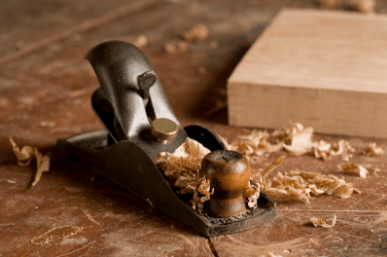
What do you do with your upholstered furniture when it starts to show its wear? After years of use, your upholstered furniture will fade in certain areas, become torn, and lose the padding and spring in its cushions. You can relegate such furniture to the attic, drag it to the curb, or get it professionally restored with new upholstery. Use our pros and cons to help you decide what to do!
Pros of reupholstering your furniture:
-You can take an opportunity to redesign a room in your house. Specifically, you can find a bright, bold pattern for your armchair or sofa, and then redecorate the room around the piece. Or, you can choose a brand new material that enhances a room that you already love.
-You can continue to enjoy that favorite sofa, chair, or loveseat, instead of buying a new (and possibly less comfortable) replacement.
-You can save money. Reupholstering is easier on the budget than buying new furniture.
-You can be “green.” Reupholstering is the eco-friendly option, and when you have your furniture professionally upholstered, you are recycling your antique furniture instead of adding it to a landfill.
-If you choose to reupholster an antique, you’ll be choosing to hang on to a high quality piece of furniture. Antiques are almost always made of sturdier materials than the furniture that is manufactured today. Your upholstered antique likely has a wood frame and high quality materials, whereas brand new furniture likely would incorporate particle board, plastic, and vinyl.
Cons on reupholstering your furniture:
-It can be tough to find the right upholstery service for your needs. After all, you want a furniture upholstery shop that specializes in custom reupholstering, and employs craftsmen and artisans, not just workers.
-A high quality upholstery job does not happen overnight. High quality custom upholstery jobs are done by hand, and depending on the size of the furniture and the complexity of the work, the job can take days or even weeks.
If you live in Northeast Florida, there are no “cons” for you! Jax Furniture Refinishing & Upholstering is the best professional furniture restoration company in the region. We employ true craftsmen who have honed their skills on the finest upholstered furniture and antiques. A good professional furniture refinishing service will restore the beauty and usefulness of your favorite upholstered furniture, allowing you to enjoy it for many years to come.
Choose The Right Finish For Your Wood Furniture
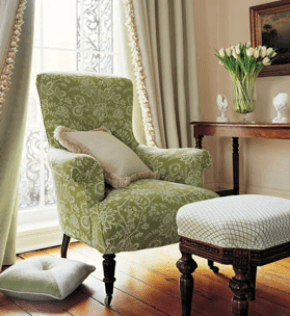
Wood furniture needs finish. Not only does the right finish make the wood look better, but also, more importantly, it protects the wood surface from moisture, scratches, sunlight and UV rays, and other causes of potential harm. The world of wood finishes can be a confusing place, however, and when you are preparing to take on a wood refinishing project, it can become downright overwhelming.
Different finishes offer differing degrees of protection, durability, and aesthetic, and some finishes are easier to apply and easier to touch up than others. Finally, no single finish excels in every single feature, so it’s important to asses your own piece of furniture and think about what it will be used for before you run out and buy the first type of finish you see.
Common groupings of finishes include:
Lacquer – Lacquer is still regarded as the best all around finish for wood. Lacquer is durable, dries quickly, and provides great depth and warmth to the wood, once applied. Lacquer can yellow over time, and and is sensitive to heat, which you will want to note when planning your furniture finishing project.
Oil – Linseed oil and tung oil are the oils most commonly used in wood finishing. Both are penetrating finishes, and will penetrate the fibers of the wood before hardening as they cure. These are also among the easiest finishes to apply. Usually, you may simply wipe them on with a rag, allow them to absorb or penetrate the wood, and then wipe away the excess.
Shellac – Shellac is a natural resin that is mixed with denatured alcohol to make it into the liquid form we know and frequently use. Shellac is applied with a brush and provides a strong barrier against moisture. It is available in a range of warm colors, and the colors are influenced by the sap of the tree from which the shellac was harvested. Note that some types of shellac are blended with wax, which will decrease its ability to resist water.
Varnish – Varnish is composed of synthetic resins that have been modified using oils. Varnish cures in the same process as oils, but the finish is more durable, thanks to the highly durable resins. Indeed, varnish is the most durable finish that can be applied by the typical woodworker or craftsman. Varnish is typically applied with a brush, though certain ones can be applied with a rag.
Water-based finish – Water-based finishes contain some of the same ingredients as shellac and varnish, but many of the flammable ingredients have been replaced with water. Even the resins in water-based finishes are acrylic in order to blend better with the water found in such finishes. Water-based finishes are durable and resistant scratches well, but do not resist heat as well as oil-based finishes.
Woodworking and finishing projects require research, planning, and often a significant time commitment. Unless you greatly enjoy such projects, it’s best to leave furniture refinishing projects to good professional furniture refinishers in your area.
Homeowners along Florida’s First Coast trust Jax Furniture Refinishing & Upholstering with furniture projects of all types. Exceptional quality is what we’re known for, and we are passionate about delivering high quality product along with outstanding customer service in every project. Trust your furniture refinishing project to us, and you’ll love the results!
Bring Antiques Into Your Home’s Decor
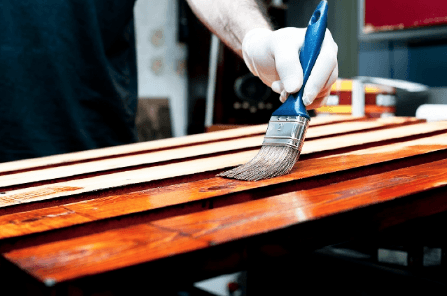
Antique furniture is so distinctive and versatile that it has become a mainstay in home decorating. When you incorporate an antique into your home, the room becomes uniquely yours. Your friends and neighbors most likely all have the same pieces of furniture from the well-known furniture brands in town, but with a few refinished antiques, your home will stand out. So, how can you best incorporate an antique into your own home’s design and décor?
1. Restore. First and foremost, make sure the antique is in great shape. You may have dusty relic in the attic that you’d like to add to the room, or perhaps you recently bought or inherited antique furniture that has great potential, but needs attention. Before simply dusting off the furniture and adding it to your room, schedule an appointment for it at a good furniture restoration company. Skilled professional refinishers will repair broken table legs, sand and restain antique headboards, add new springs or foam padding to antique sofas and armchairs, apply a fresh coat of lacquer to an old and faded dresser or armoire, and in general, breathe new life into your antique before you find it a new home in your house.
2. Mix eras. Are you worried that an antique will clash with your existing design scheme? Arranging an antique into an otherwise contemporary or standard setting will only add depth and complexity to the room. Your home may be a Craftsman style home, or may have been built in the Mid-century Modern era, but that doesn’t mean you can’t introduce an antique dining room set from the turn of the century, or bedroom furniture from the Colonial era.
3. Be brave! Don’t be afraid to incorporate a funky antique ottoman or brightly colored antique chest into your otherwise understated décor . In fact, go one step further and have your piece refinished in a way that revitalizes it completely. For example, upholster an antique loveseat or armchair in a bright, modern fabric, or have a highly rated refinishing company apply a bold new paint or lacquer to your antique table and chairs. “Antique” does not have to by synonymous with “outdated.”
Find the best furniture restoration service in your area and let the professionals restore your antique to its original splendor, or give it a new life as a modernized, refinished piece. A great furniture upholstery service or refinisher will adeptly transform your antique into whatever you dream it can be!
Jax Furniture Restoration & Upholstering is the best professional furniture restoration company Jacksonville FL clients trust with their antique furniture. Homes throughout downtown Jacksonville, Fernandina Beach, Riverside Avondale, and Ponte Vedra Beach feature antiques that have been meticulously and skillfully restored by our expert technicians. Fine furniture is our passion, and antiques are our specialty. Let us transform your dated furniture into something new and beautiful that you can enjoy for years to come!
How To Protect Your Furniture From The Elements
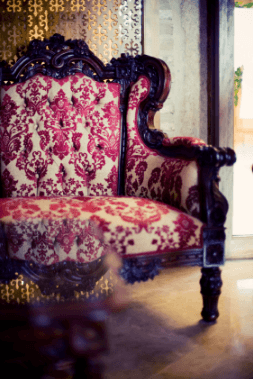
Furniture inevitably suffers at the hand of the weather. Patio furniture sits outside for most of the year in the elements, and here in Northeast Florida, that means high heat, intense sunlight, and moisture. Even indoor furniture is susceptible to fading in the sun’s rays and warping in the heat. Limit the damage from weather, and protect your furniture as much as possible by following our tips!
Outdoor furniture
Fabric – Any cushions or pillows should be stored when not in use, and if you have an umbrella on your patio, try to remember to collapse it when you are done enjoying it for the day. Most fabrics are highly susceptible to fading from the sun, and can also begin to mildew when left outside in a rainy or moist environment.
Wood – Cover your wood furniture when it is not in use. The combination of heat and moisture can crack and split wood, and the sun’s harsh rays can fade and break down paint and varnish. Raw, untreated wood will not last long outdoors, especially here in the South. If your wood furniture has not been treated or sealed in any way, make an appointment with a good furniture refinishing service to have a varnish, lacquer, paint, or stain applied to it. Many finishes are available with added UV protection.
Metal – Metal furniture resists sun damage well, but is susceptible to rust. Cover metal furniture if extensive rain is in the forecast, and keep an eye out for rust spots so that you or a professional furniture refinisher can address the spots before they become a problem.
Indoor furniture
Fabric – Upholstered furniture is very sensitive to the sun, and will quickly fade if left in direct sunlight. Arrange the room so that fabric armchairs, sofas, and other upholstered pieces are safely out of the reach of the sun for as much of the day as possible. Leather furniture should likewise be kept out of direct sunlight for as much of the day as possible. Though leather is strong, the sun’s rays are stronger, and can cause the natural oils in the leather to evaporate, resulting in cracking.
Wood – Wood furniture will likewise fade in the sun, though not as easily as most fabrics. Still, arrange the room so that wood furniture is not in the direct sun. Pull the blinds and close the curtains when the sun’s rays are the strongest, and your furniture will stay safer longer.
In short, shield your furniture from sun when possible, and you’ll enjoy it for a long time to come. Cover your outdoor furniture when it’s not in use, and arrange your indoor furniture so that it is out of the sunlight during the hottest parts of the day. Your furniture is an investment, and when you are protect your investment, it lasts longer!
If your indoor or outdoor furniture has been cracked by moisture or faded by the sun, the best thing you can do for it is to find a good professional furniture refinisher. The best furniture refinishing companies have skilled craftsmen who can restore your furniture’s original beauty, or give it a new look altogether.
Jax Furniture Refinishing & Upholstering is the best Jacksonville FL furniture refinishing service and the company to trust with your own furniture. Bright sun, driving rain, and soaring temperatures are part of life here in Jacksonville, but we wouldn’t have it any other way! When the elements take their toll on your favorite patio chairs, or the the sun beats in and fades your armchair and sofa, we know what to do. Homeowners in Atlantic Beach, Ponte Vedra, downtown Jacksonville, Riverside, Ortega, and throughout the region trust the skill, experience, and genuine care of the Jax Furniture Refinishing & Upholstering craftsmen.
Refinish Your Heirloom Antique And Enjoy It Again
What do you do with the tattered antique armchair in the attic, or your great-grandmother’s old and scratched dining room table that’s in storage? Too often, beautiful antique furniture gets relegated to forgotten areas, where they fall into disrepair and no longer get to be enjoyed. Let us help you get your heirloom antique out of cobwebs and into use!
Here are the top 4 reasons to refinish your antique furniture:
1. History – Most antique owners and collectors enjoy their hobby because they enjoy being connected to history. After all, that solid oak table and chairs, your vintage headboard and bed frame, and the beautiful antique chest were all used by other people, and had other lives before you acquired them. Perhaps even more meaningful, you may have inherited your antique furniture from a grandparent, or could have received an heirloom that has been in the family for generations. In any case, antique furniture has high historic, cultural, and sentimental value.
2. Quality – True craftsmanship is hard to find today, though it was once found everywhere, and in particular in fine furniture making. In the past, artisans and their apprentices would create masterpieces of hard woods and exquisite textiles, fit for fine homes, and intended to be passed down for many generations. Now, such artisan work has given way to mass production, and furniture is made of plastic and particleboard. The antique furniture you have from decades past is exponentially higher in quality than what is made today. Even if your antique is in need of repair or refinishing, don’t worry; beneath a faded veneer, cracked wood, or torn upholstery you will still find a masterpiece of fine craftsmanship and high quality materials, ready to be enjoyed for many more years.
3. Cost – Something that goes hand in hand with quality is cost. When you invest in refinishing an antique, you are making a sound investment. Refinishing your antique furniture, even when there is a cost attached, will still be a better investment than purchasing new furniture of lesser quality.
4. Design – Even if your antique furniture seems so dated that you could never incorporate it into your home, there is a refinishing or reupholstering team ready to take on your challenge. An antique overstuffed chair will retain its charm, even when it is upholstered in a brand new fabric that perfectly matches the design of your living room. Even if you live in a modern home, an antique can be refinished and repurposed in a way that complements your contemporary aesthetic. When you find the best furniture refinishing service, its craftsmen can transform a neglected antique into a beautiful work of art that you’ll be eager to make the centerpiece of your home!
The best professional furniture restoration companies have the skill and knowledge to restore your antique furniture to its original beauty, even if it has spent the last several years in the attic, basement, or other forgotten corner.
Jax Furniture Restoration & Upholstering is the award-winning furniture refinishing service Jacksonville FL homeowners love and trust with their finest furniture and treasured antiques. Our craftsmen are highly skilled artisans, and we specialize in restoring and reviving old or damaged furniture. When it comes to refinishing antique furniture, homeowners and collectors throughout Jacksonville, Riverside, Ponte Vedra Beach, and across Northeast Florida trust only us with the work. We’d love to get started on your own antique piece so that you can begin enjoying it once again!